






INSIGHTS
Load Restraint: Important Information You Need to Know
Key Points
- Load restraint is critical for transport safety, cargo protection and compliance across construction, logistics and industrial sectors.
- Loads are exposed to braking, cornering, vibration and road forces that can cause dangerous movement during transit.
- Poor load restraint can lead to cargo damage, vehicle instability, injuries, operational downtime and legal risk.
- Friction plays a major role in load stability, with engineered rubber materials helping reduce sliding and movement.
- Rubber load restraint solutions can assist in improving grip, cushioning and restraint efficiency across transport applications.
- Effective restraint strategies support safer transport operations, improved asset protection and reduced risk exposure.
Understanding the importance of proper load restraint in transport and material handling environments.
Load restraint plays a critical role in transport safety across construction, industrial and logistics environments. Poorly restrained loads can shift during transit, creating serious risks for drivers, pedestrians, equipment and infrastructure. This article explores why load restraint matters, common causes of load movement and how engineered restraint solutions can help support safer and more compliant transport operations.
Why load restraint matters
Every day, vehicles transport heavy, awkward and high-value loads across roads, worksites and industrial facilities. Whether carrying steel, machinery, pallets, construction materials or specialised equipment, the forces acting on cargo during transport can be significant.
Acceleration, braking, cornering, uneven road surfaces and sudden evasive manoeuvres can all cause loads to move if they are not properly secured. Even small amounts of movement can increase the risk of:
- Vehicle instability
- Damage to transported goods
- Injury to drivers or other road users
- Damage to infrastructure or equipment
- Legal and compliance issues
- Downtime and operational disruption
Effective load restraint is not simply about securing cargo in place. It is about managing dynamic forces throughout the journey to help maintain safety, stability and control.
Understanding the forces acting on loads
Loads are subjected to a range of directional forces during transport. In many cases, these forces are far greater than people expect.
Forward force during braking
Heavy braking can generate substantial forward momentum. Without adequate restraint, loads may slide, topple or impact the front of the vehicle or trailer.
Sideways movement during cornering
Cornering introduces lateral forces that can destabilise cargo, particularly tall or unevenly distributed loads.
Rearward movement during acceleration
Rapid acceleration can generate rearward forces that cause loads to shift backwards. Without appropriate restraint, cargo movement may affect load stability and place additional stress on restraint systems.
This keeps it consistent with the concise explanatory style used in the other three force descriptions.
Vertical movement from road conditions
Bumps, potholes and uneven terrain can create lifting and bouncing forces that reduce friction and contribute to load movement.
Common load restraint challenges
Different industries face different transport challenges, but several issues are consistently encountered across commercial operations.

Uneven load distribution
Poor weight distribution can negatively affect vehicle handling and increase pressure on restraint systems.
Low-friction surfaces
Smooth or hard surfaces can allow loads to slide more easily during transport.
Load vibration and movement
Constant vibration over long distances can gradually loosen restraint systems or contribute to product damage.
Irregularly shaped cargo
Machinery, fabricated components and specialised equipment can be difficult to restrain using standard methods alone.
The role of friction in load restraint
Friction is one of the most important (and often overlooked) aspects of load restraint.
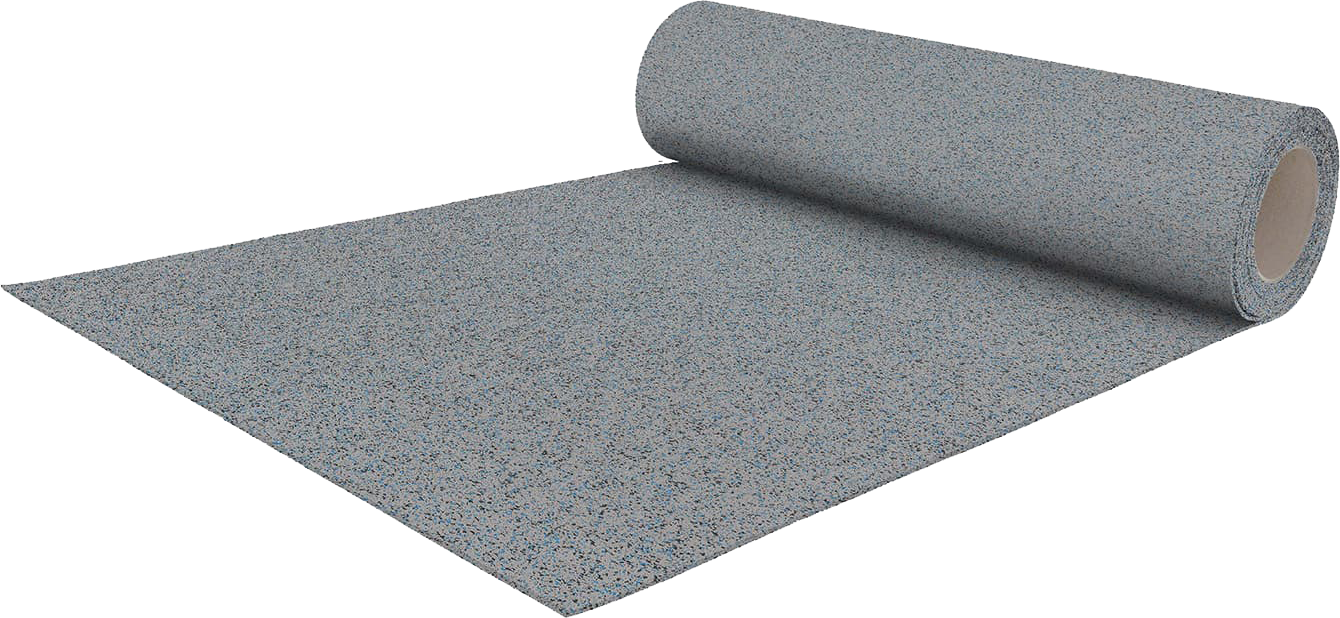
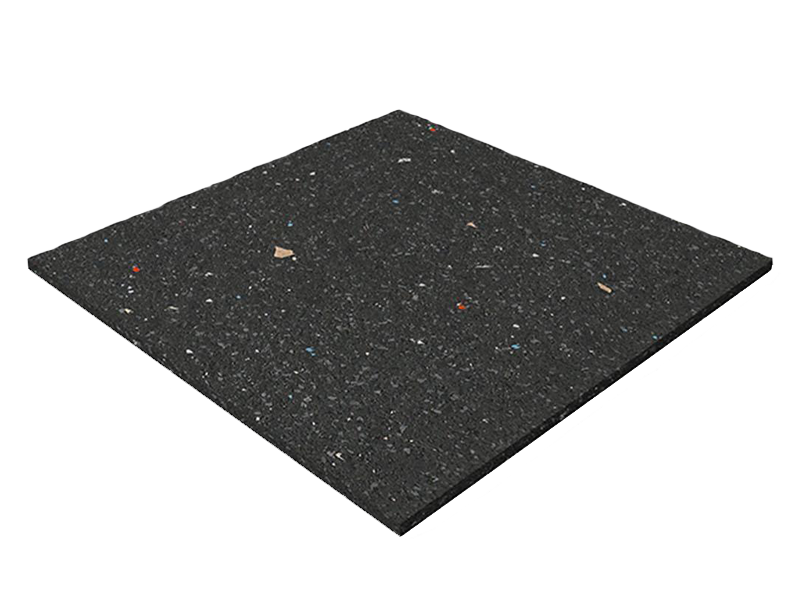
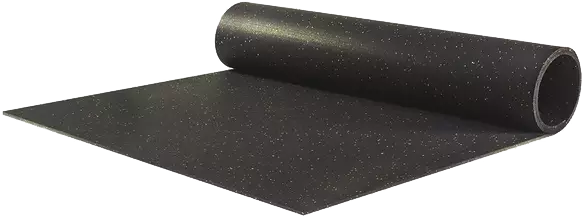
Increasing friction between the load and the transport surface can significantly reduce movement and improve overall restraint performance. This is where engineered rubber materials can play an important supporting role.
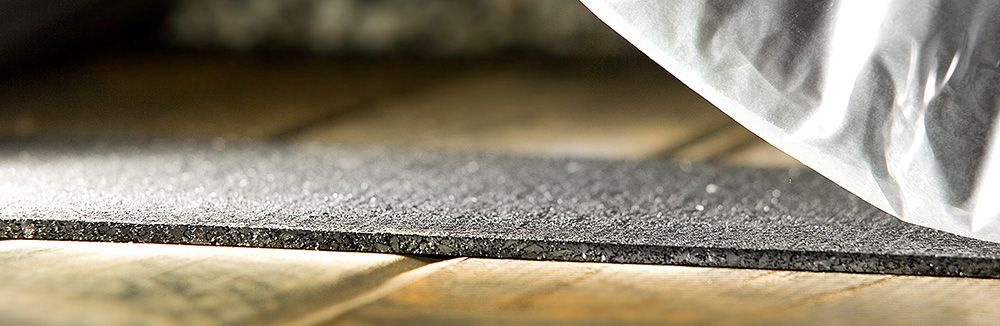
High-friction rubber matting can help:
- Reduce sliding during braking and cornering
- Improve load stability
- Assist in protecting transported goods
- Reduce wear between surfaces
- Support compliance with restraint requirements
- Improve restraint efficiency in combination with tie-down systems
Engineered rubber solutions for load restraint
Engineered rubber materials are commonly used in transport and industrial applications where additional grip, cushioning and durability are required.
Depending on the application, rubber load restraint solutions may be used:
- Under pallets or equipment
- Between steel components
- On trailer beds
- In heavy transport applications
- In industrial logistics environments
- For machinery and equipment transport
These materials are designed to withstand repeated loading, vibration and demanding operating conditions while helping improve friction and load stability.
Supporting safer transport operations
Effective load restraint is ultimately about reducing risk.
Well-considered restraint systems can help improve operational safety, protect valuable cargo and support compliance obligations across transport and industrial sectors.
For businesses operating in construction, manufacturing, mining, logistics or infrastructure environments, investing in appropriate restraint strategies can contribute to:
- Safer transport practices
- Reduced cargo damage
- Improved operational efficiency
- Lower risk exposure
- Better long-term asset protection
Project and industry applications
Load restraint solutions may be relevant across a wide range of industries and transport scenarios, including:
- Construction material transport
- Steel and fabricated product transport
- Mining and heavy industry logistics
- Machinery and equipment haulage
- Warehouse and distribution operations
- Commercial freight applications
Final thoughts
Load restraint should never be treated as an afterthought. Properly managing load movement is a key part of transport safety and operational reliability.
As transport environments become more demanding and compliance expectations continue to evolve, engineered load restraint solutions can help businesses improve stability, reduce risk and support safer outcomes across the supply chain.
Looking for load restraint support?
ABS West supplies engineered rubber solutions designed to assist with load stability, vibration management and transport protection across commercial and industrial applications.
Contact ABS West
to discuss load restraint and transport surface solutions for your next project.
Related Content
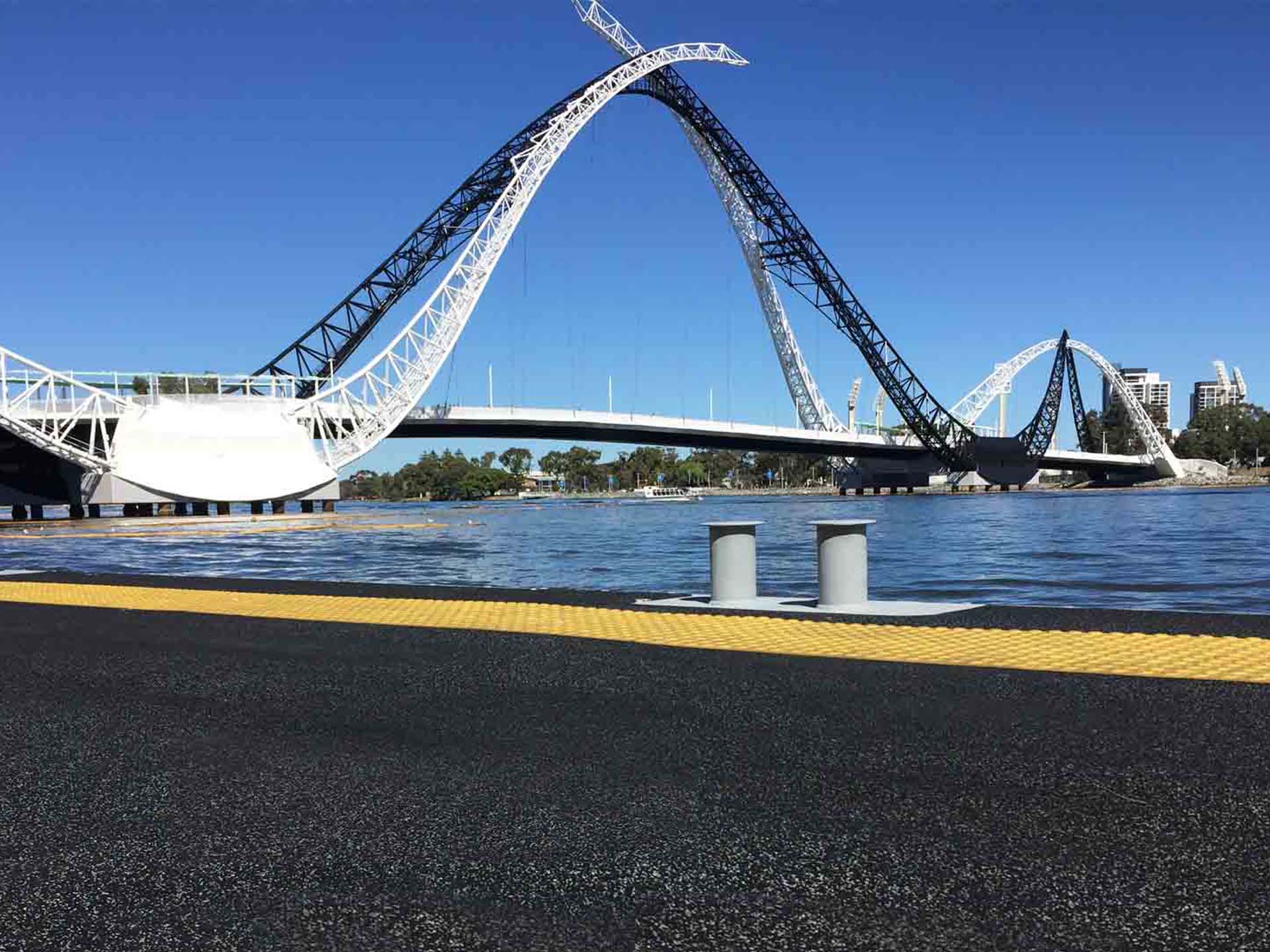
REGUPOL everroll Flooring at Burswood Jetty
INSIGHTS Key Points 460sqm of REGUPOL everroll flooring installed Installed at Burswood Jetty within the Optus Stadium precinct Flooring selected for heavy public pedestrian traffic Suitable for outdoor and marine-adjacent environments Helps improve slip resistance in…

REGUPOL Equine Surfaces at Belmont Park Racecourse
INSIGHTS Key Points REGUPOL equine surfaces installed at Belmont Park Racecourse Designed for demanding equine and racecourse environments Supports traction and confidence under hoof Suitable for wet and high-traffic areas Durable rubber surfacing designed for…
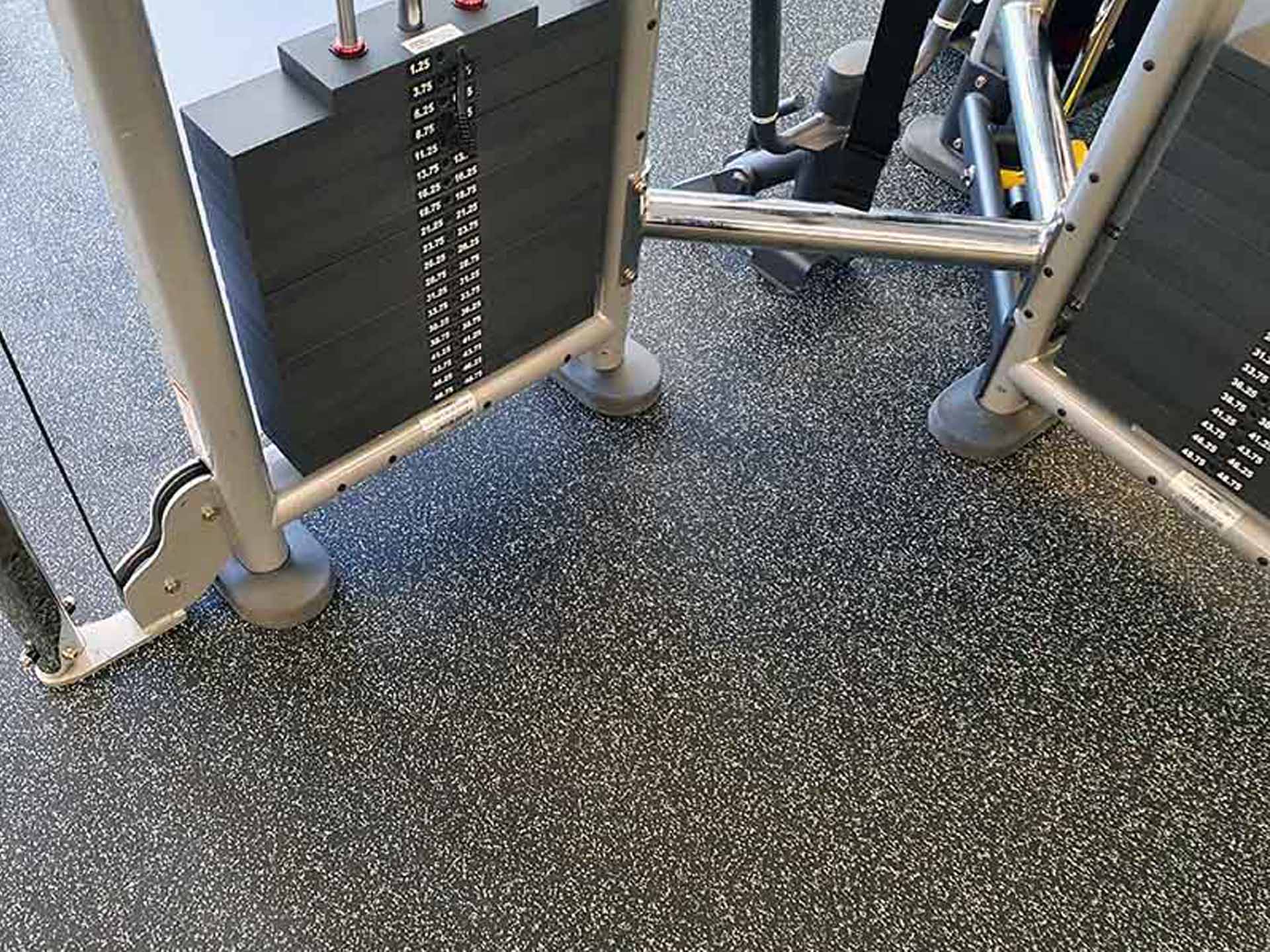
Gym Flooring Point Loads: What to Consider
INSIGHTS Key Points Point loads from heavy gym equipment can place significant stress on flooring systems and subfloors. Load distribution, equipment type and usage patterns all influence long-term floor performance. Purpose-designed rubber flooring can help absorb…
Discuss Your Flooring Requirements with a REGUPOL Specialist at ABS West
Whether you’re at early specification stage or preparing for project delivery, ABS West provides technical guidance and reliable local supply from Perth for REGUPOL flooring and acoustic solutions across Western Australia.